Amplifier: An amplifier is an active (powered) circuit that can increase or decrease the level of an electrical signal. The multiple by which the amplifier changes the signal level is called the "gain" of the amplifier. A full-size guitar amp, such as a Fender or Marshall, is a special type of amplifier that is designed to produce a lot of gain and drive a speaker, but there are smaller amplifiers in pedals too, sometimes even many of them in a single pedal.
Amplifiers in pedals are typically built with transistors. A basic transistor amplifier circuit looks like this.


There are many types of transistors such as BJTs, MOSFETs, JFETs, silicon and germanium. They look like this.
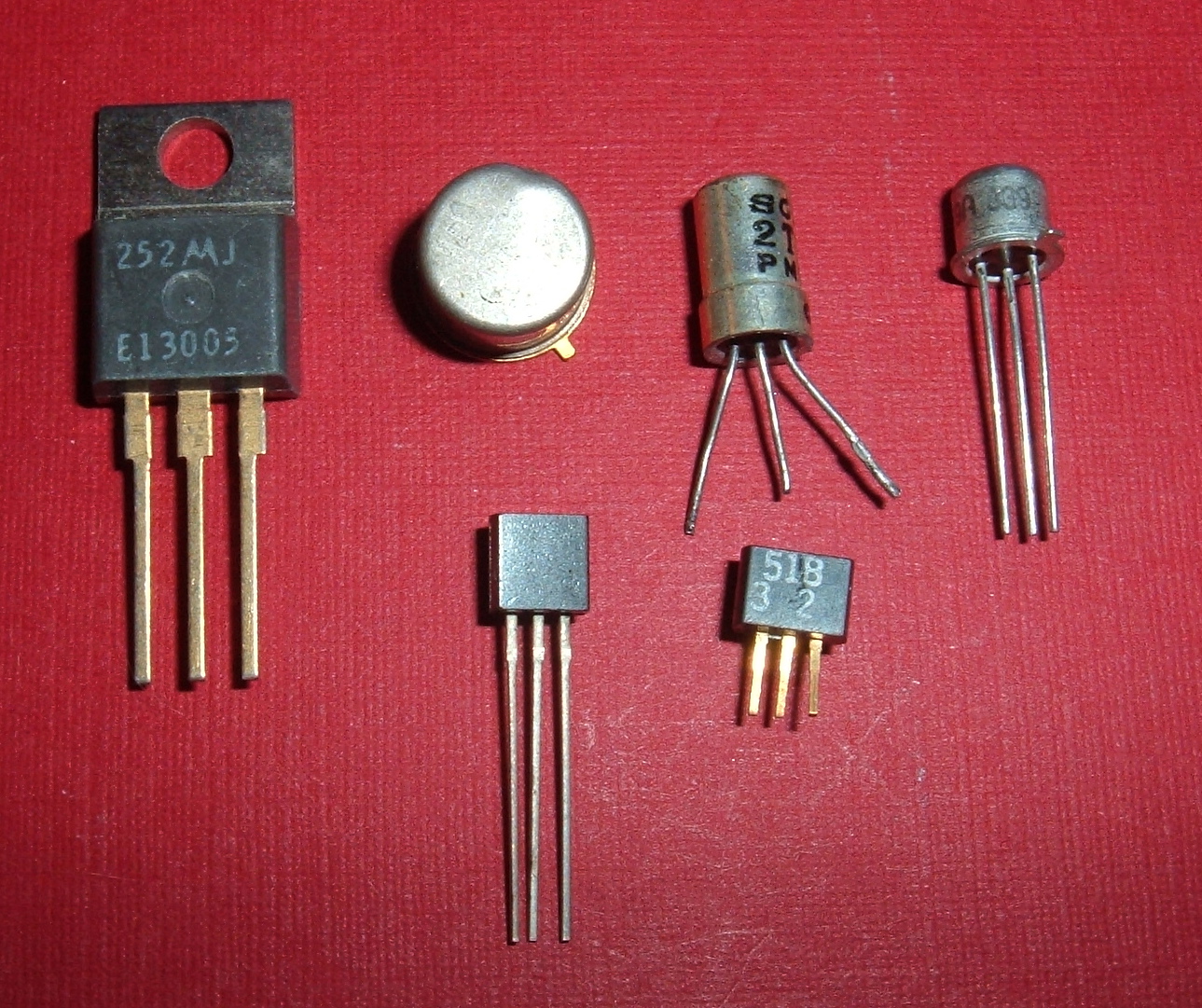

There are also many diffferent ways to build amplifiers, which have different applications depending on the circuit.
Another very common type of transistor amplifier is called an operational amplifer (opamp). Opamps are precision transistor amplifiers pre-built onto a tiny integrated circuits that typically come in 8 pin packages that look like this.


Buffer: A buffer circuit is just an amplifier with a gain of 1 (no level change). It's used to isolate one part of a circuit from another, so that the components don't interact with each other.
Buffers are a common part of many pedal circuits. Some pedals, such as Boss, use buffers as part of the switching system. This is called "buffered bypass" instead of "true bypass" because there is always a buffer in the signal path, even when the effect is switched off.
cf) 이펙터의 스위칭 방식
이펙터의 스위칭 방식에는 크게 트루 바이패스(True Bypass)와 스플릿 바이패스(Split Bypass), 그리고 버퍼 바이패스(Buffer Bypass)의 세 가지가 있습니다.이러한 차이는 On/Off 시 신호를 어떻게 다루는가에 관한 문제들이며 어떤 방식을 사용했는가, 해당 이펙터의 앞이나 뒤에 어떤 방식의 이펙터가 연결되느냐에 따라 결과로 만들어지는 사운드에 큰 차이가 생기게 되므로 이에 관한 충분한 이해가 필요합니다.
- True Bypass
트루 바이패스란 말 그대로 "진짜 통과한다"는 의미로서 Off 시에 입력 신호를 그대로 출력단으로 보내는 방식을 말합니다.대표적인 트루 바이패스 이펙터로는 60년대에 설계된 Fuzz Face, Octavia, Treble Booster 등이 있으며 이러한 이펙터들은 On/Off시 모두 기타 시그널과 비슷한 수준(20~40 KΩ)의 하이 임피던스 신호를 출력한다는 공통점이 있습니다.
Off시에 입력단과 출력단을 다이렉트로 연결해주기 때문에 전원공급이 없는 상태에서 Off위치에 놓아도 신호는 그대로 전달됩니다.하지만 트루 바이패스 방식은 스위칭 시에 양쪽의 스위치를 동시에 켜고 끄게 되기 때문에 이에 따른 기계적인 소음(파핑, popping)이불가피합니다. 또 한가지의 문제점은 트루 바이패스에서 나온 하이 임피던스 신호가 이펙터 출력단에서 앰프 입력단에 이르는 케이블 길이에 따른 커패시턴스를 극복할 수 없다는 것입니다. 흔히들 하기 쉬운 오해는 "트루 바이패스는 이펙터를 껐을 때 다이렉트 연결이 되니까 원래의 사운드에 가장 영향을 덜 미칠 것이다"라는 것인데 하이 임피던스인 기타의 시그널에서는 이런 믿음이 현실로 이루어지지 않습니다.5.5 미터 케이블 한 개로 기타에서 앰프로 직접 연결했을 때와 동일한 두 개의 5.5 미터 길이의 케이블로 Off된 트루 바이패스 이펙터를 거쳤을 때를 비교해보면 트레블과 음압감이 많이 떨어져 있는 것을 확인할 수 있습니다. 길어진 케이블의 길이를 극복하기 위해서는 시그널의 임피던스를 낮춰줄 필요가 있는데 트루 바이패스 방식에서는 이러한 대응이 불가능하기 때문입니다.이러한 트루 바이패스에 관한 잘못된 인식 때문에 현대적인 이펙터들에서도 개념 없이 트루 바이패스를 많이 적용하고 있는데 이 경우 가장 큰 문제점은 On과 Off 시 임피던스의 미스매치입니다.Off시에는 기타의 시그널이 그대로 통과하기 때문에 20 ~ 40 KΩ의 하이 임피던스가 되며 이에 맞춰 앰프의 톤 세팅을 하게 되는데 이 상태에서 On으로 전환하면 시그널이 갑자기 10 KΩ 이하의 로우 임피던스로 바뀌는 동시에 케이블의 길이에 따른 트레블과 음압의 감소가 없어지게 되면서 앰프에서 나오는 사운드는 트레블이 너무 찢어진다거나 하는 결과가 됩니다. 이펙터에 톤 컨트롤이 있다면 이걸 사용해서 이런 현상을 약간 완화할 수는 있지만 기본적으로 갑작스러운 임피던스의 변화는 On/Off 시의 사운드 이질감을 가져옵니다.Fuzz나 Octavia, Treble Booster 등과 같은 60~70년대 트루 바이패스 이펙터들은 회로 설계상 On 시에도 Off 때와 비슷한 하이 임피던스의 신호이기 때문에 이런한 이질감은 없다고 할 수 있지만 사운드 프로세싱 과정에서 임피던스가 낮아지게 되는 현대 이펙터들에서는 이런 이질감이 크게 느껴지게 됩니다.이러한 단점들을 보완하기 위해서는 트루 바이패스 이펙터의 앞이나 뒤에 버퍼 바이패스 방식의 이펙터를 연결해서 임피던스를 낮춰줄 필요가 있습니다.
- Split Bypass
스플릿 바이패스 방식은 입력 신호를 양쪽으로 나눠서 한쪽은 이펙트 회로에, 한쪽은 바이패스에 연결하는 방식으로서 MXR이 이 방식을 사용하는 대표적 브랜드입니다. 스위칭 노이즈(popping)가 없다는 장점이 있지만 바이패스(OFF) 시에 입력 신호의 일부만을 통과시키기 때문에 원래의 신호가 많이 손상되며 동시에 5.5 미터보다 길어진 케이블의 커패시턴스를 극복할 수 없다는 단점이 있습니다. 이런 방식의 이펙터는 그 앞에 버퍼가 있는 이펙터를 연결하여 임피던스를 낮춰줌으로써 이러한 단점들을 보완할 수 있습니다.
- Buffer Bypass (Line Driver)
버퍼 바이패스는 이펙트 ON/OFF에 상관없이 신호가 항상 버퍼 회로를 거치는 방식입니다.제조사에 따라 input과 output 버퍼를 사용하는 경우도 있고 input 버퍼만을 사용하는 경우도 있는데 이러한 버퍼 바이패스 방식을 사용하는 대표적인 브랜드로는 Moollon Buffer Age 시리즈를 포함한 BOSS, Pete Cornish, Ibanez TS808, TS9 등이 있습니다.버퍼(buffer) 또는 라인 드라이버(Line Driver)라고도 불리는 방식인데 트루 바이패스에서 일어나는 갑작스러운 임피던스의 미스매칭을 해결한다는 의미에서는 완충장치(버퍼)라는 명칭이 잘 맞으며 동시에 길어진 케이블에 의한 커패시턴스를 낮은 임피던스로 극복해 뚫고 나간다는 의미에서는 Line Driver 라는 명칭도 잘 맞습니다.이펙트 OFF 시에도 버퍼가 작동하기 때문에 전원 공급이 없는 상태에서는 신호가 이펙터를 통과할 수 없습니다.일단 버퍼를 통과한 신호는 10KΩ 이내의 낮은 임피던스 신호가 되기 때문에 잡음 문제에 강하며 이후 길어진 케이블에 의한 트레블이나 음압의 감소도 거의 없기 때문에 실제 10미터 이상으로 길어지게 되는 케이블에 의한 커패시턴스 증가에 유연하게 대처할 수 있습니다.트루 바이패스나 스플릿 바이패스 이펙터들과 함께 사용하는 경우 적당한 위치에 하나 이상의 버퍼 바이패스 이펙터를 연결해서 임피던스를 낮춰줌으로써 더 질 좋은 사운드를 얻을 수 있습니다.Fuzz나 Octavia, Treble Booster 등 ON/OFF시 모두 높은 임피던스로 구동하는 이펙터들의 앞에 연결하면 너무 큰 입력 신호 때문에 사운드가 왜곡되므로 이러한 이펙터들 앞에 연결하지 않도록 주의해야 하며 대신 뒤에 연결해서 임피던스를 낮춘 후에 앰프까지 보냄으로써 보다 선명하고 펀치있는 사운드를 얻는데 활용할 수 있습니다.버퍼 바이패스 방식에서 매우 중요한 것은 버퍼의 성능인데 원래 신호의 임피던스는 낮추되 왜곡이나 증폭 없이 자연스러운 신호를 출력하는 것이 관건입니다. 이 버퍼에서 왜곡이 일어난다면 여러 개의 이펙터를 연결했을 때 톤 깎임과 컴프레스 현상 등이 일어나게 됩니다.
Filter: A filter circuit effects the frequency content and phase of the incoming signal. Filters are built with resistors, capacitors, and sometimes inductors (wah pedals). Many filters will actually be built around an amplifier as part of their design. These are called active filters. The basic concept behind a filter is that some of the frequency content of a signal (lows, mids, highs, etc.) gets amplified or attenuated while other frequency components stay the same. Filters can be built to have all different kinds of frequency shaping effects. Some of the basic types are highpass, bandpass, lowpass, notch, and resonant.
An allpass filter is a special type of filter that only affects the phase of the signal, not the frequency. Phase changes are kind of hard to explain, but you can basically think of it like a very short frequency dependent delay. Phase shifts by themselves are not audible. It's only audible when it's mixed back in with the original signal and interacts with it, such as in a phaser pedal.
Clippers: Clipping circuits basically limit the peaks of the signal by "chopping off" everything greater than a certain voltage level. The result is that the tops (and bottom) of the waveform get flatter and start to resemble a square wave. When the top is clipped more than the bottom, or vice versa, it's called "asymetrical clipping."
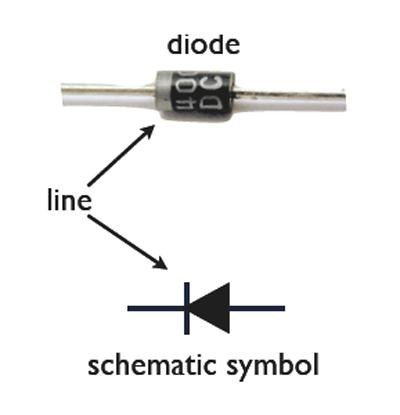
Any amplifier pushed beyond it's limits will start to clip the signal. Most pedals try to mimic the effect of tube amp clipping, but transistors tend to clip more suddenly than tube amps do, so a number of circuits are used to simulate a more "tube like" clipping. The most common clippers in pedal circuits use diodes to clip the signal above a certain level. This is what a diode looks like. Transistor amplifiers by themselves are sometimes used for clipping too, more commonly in fuzz pedals than in "tube like" overdrives and distortions.
When a signal is clipped, it produces additional harmonics in the upper frequencies. If the second harmonic is emphasized enough, it will start to sound a lot like a pseudo-octave effect. This effect is utilized by a lot of fuzz pedals for octave fuzz.
Bucket Brigade Delays (BBD): In analog pedals, any kind of delay effect is usually accomplished with a bucket brigade delay line. A bucket brigade delay circuit contains thousands of components, so they are usually purchased in the form of a small integrated circuit that looks like this, and the rest of the circuit is built around it. BBDs work in a way that's actually kind of similar to digital sampling, only analog. A clock generator triggers the guitar signal to be sampled several thousand times a second, but instead of being converted into a number and dumped into a digital buffer, the buffer in a BBD is a bank of thousands of tiny capacitors. Each time the clock generator sends a pulse, the first capacitor dumps the voltage it's storing into the next capacitor in line, and so on and so forth down the line. It works the same way as a fire brigade passing buckets of water down a line of people, which is where the name "bucket brigade" comes from. The result is that the original signal comes out back out the end of the line, only delayed in time. Of course, capacitors are imperfect devices, so the signal has to be re-amplified and filtered to get the original signal back. The signal degradation that happens during the process is part of the charm of BBD devices.
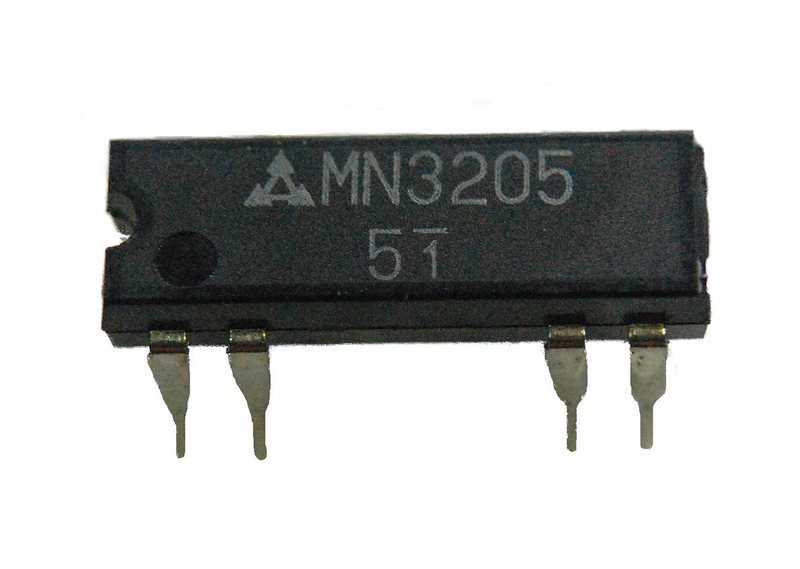
BBDs aren't only used for delay pedals. They are also fundamental components of choruses, flangers, and vibrato pedals.
Feedback: Feedback isn't really a component building block, but it's important to talk about, and it doesn't really fit in anywhere else. Feedback is the process of mixing some of the output signal of a stage back in with the input. There are two types of feedback: negative and positive. Positive feedback intensifies the effect of a signal block and can lead to self-oscillation. Negative feedback (inverse signal mixed with original) is used to attenuate or control the effect of a signal block. For example, negative feedback is often used to control (limit) the gain of an amplifier.
Oscillators: Oscillators generate alternating waveforms that can be used to modulate (change) other parts of the circuit, such as clock speed in a delay, or cutoff frequency of a filter. An oscillator can be built from an opamp with positive feedback, or more precise oscillators can be purchased in the form of integrated circuits. They usually operate at low frequencies that are below the range of human hearing (20hz), but if you turn their rate up so that it enters hearing range, you get a synth oscillator that creates an audible tone.
Potentiometers: A potentionmeter, or "pot," is just a variable resistor. This is what all of the knobs on pedals are attached to. When you rotate a knob, a little metal arm slides along a track of carbon material between two contacts to vary the resistance between them. Changing the resistance in different parts of a circuit can be used to alter anything from the gain of an amplifier stage, to the cutoff frequency of a filter or the frequency of an oscillator.
Switches: A mechanical switch simply connects or disconnects different wires in a circuit. This can be used to route signals through different sets of components or even whole circuit blocks. It can also be used to switch out one component for another, such as a different value capacitor or resistor, or remove some part of a circuit from the signal path altogether.
Power supply: All pedals usually contain some kind of power supply circuitry that processes the power from the 9v jack or battery before it goes to the rest of the pedal circuitry. These components usually attempt to filter any noise out of the signal, and provide the right biasing voltages for amplifiers and components.